By Jeff Hawkes
New plans to rejuvenate working conditions for Ph.D. students in the UK were revealed today, receiving a poor reception. The plans are being introduced due to an explosion in PhD student recruitment over the past few decades.
 “It used to be that having a degree was fantastic for ones employment opportunities, but over the years the UK has allowed the value of higher education to decrease and become gradually less relevant to a candidates eventual job. Now go-getting youngsters who want to ‘get the edge’ on their rivals are having to earn an extremely specific research doctorate in order to apply for any job earning more than minimum wage”, said social analyst Frank Bosser.
“We’re expecting that over the coming years the average Joe will need some years of teaching experience at university level in order to leave higher education with any employment prospects whatsoever”. It’s quite a normal ‘educational inflation’ effect when there aren’t enough jobs to go around and so people by default continue to get more qualifications. The problem is that the universities stay the same physical size, so ‘something’s gotta give’” Continue reading ‘Battery’ PhD students to increase UK university productivity by ‘up to 75%’
 There is a strong chance that the proposed merging of the British Antarctic Survey (BAS) with the National Oceanography Centre (NOC) is
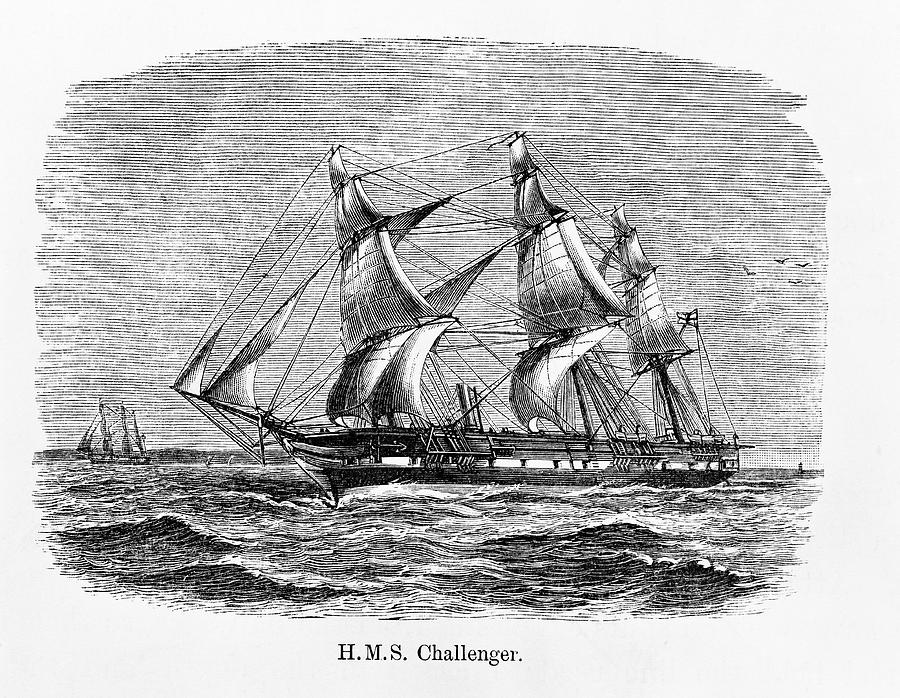 The UK was arguably the pioneer in the field of oceanography: James Cook included information on the oceans in his report on his famous voyages between 1768 and 1779; around about 1800 James Rennell wrote the first textbooks about currents in the Atlantic and Indian Oceans; Sir James Clark Ross took the first sounding in the deep sea in 1840; and the Royal Society sponsored the Challenger expedition (1872–76), the first true oceanographic cruise (laying the foundation for the field), traveling 70,000 nautical miles, resulting in a 50 volume report covering biological, physical and geological aspects of the ocean.
  Words in mOcean