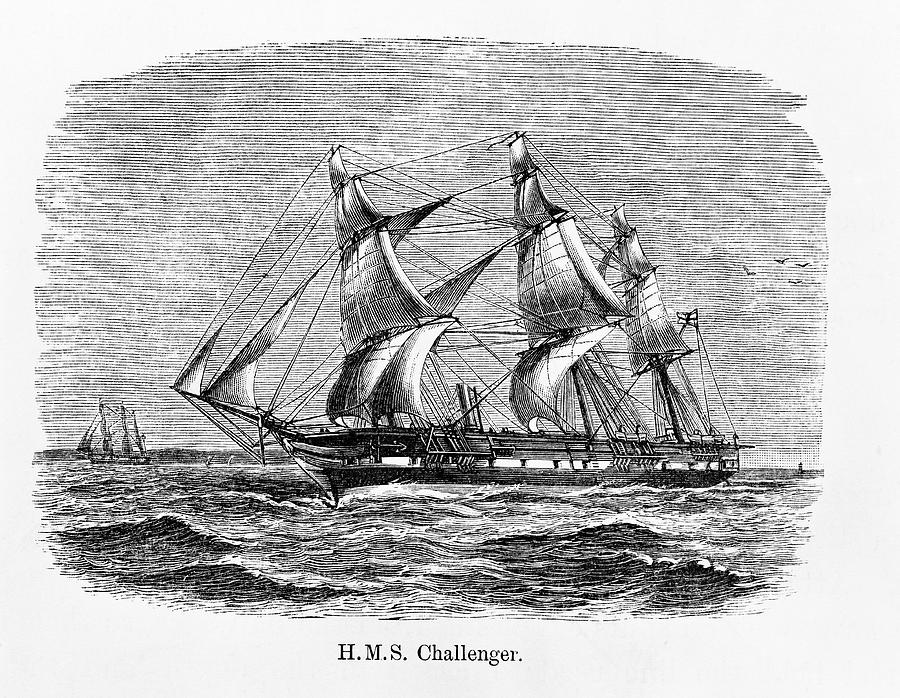
 The UK was arguably the pioneer in the field of oceanography: James Cook included information on the oceans in his report on his famous voyages between 1768 and 1779; around about 1800 James Rennell wrote the first textbooks about currents in the Atlantic and Indian Oceans; Sir James Clark Ross took the first sounding in the deep sea in 1840; and the Royal Society sponsored the Challenger expedition (1872–76), the first true oceanographic cruise (laying the foundation for the field), traveling 70,000 nautical miles, resulting in a 50 volume report covering biological, physical and geological aspects of the ocean. Continue reading UK government hangs oceanography out to dry
Monthly Archives: May 2012
Does phosphate thin foram shells?

Whenever I look at the iconic White Cliffs of Dover I am reminded of an interesting fact: much of the south of England is made from plankton. Yes, the chalk (calcium carbonate) found here is predominantly composed of plankton – calcifying single-celled plankton to be precise– that sunk to the sea-floor tens of millions of years ago, was compressed to form chalk, and then uplifted into its present position. The two most abundant calcifying planktonic organisms forming this chalk are the coccolithophores, which form stunning blooms visible from space, and the foraminifera (‘forams’ to their friends). Continue reading Does phosphate thin foram shells?
 Words in mOcean